Kansas City's new plan for long-vacant property: what buyers and sellers should know
KCMO's council voted 12-0 to pursue at least $10M in federal Section 108 financing for long-vacant property. Here's what passed and what comes next.

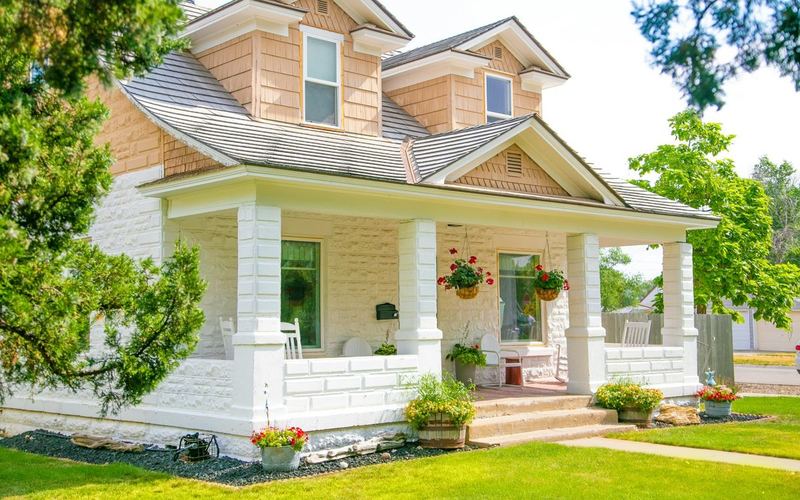
Representative photo of long-vacant homes, not a Kansas City address. Photo: Kelsey Caroline on Pexels.
If you've driven through parts of Kansas City and wondered why the same empty lot has sat untouched for years, you're not alone. On Thursday, November 5, 2026, the Kansas City, Missouri City Council took a step aimed squarely at that problem. Here's a plain-language look at what passed, what it does and doesn't do, and why it matters if you're buying or selling on either side of State Line.
What the council actually passed
The council adopted Resolution 260959, sponsored by Councilmember Melissa Patterson Hazley. The city's official legislative record shows it passed 12 to 0, with one member out for the vote. The Finance, Governance and Public Safety Committee had recommended it for immediate adoption two days earlier, on November 3.
According to the resolution text, it tells the City Manager to do four things:
- Negotiate an agreement with the EDC Strategic Initiatives Fund and/or the EDC Loan Corporation to set up and run a pilot program using federal Section 108 financing.
- Build eligibility rules, an application process and project selection standards that follow federal rules and the city's Vacant Land Activation Initiative and Housing Accelerator.
- Identify at least $10 million in potential financing, along with safeguards meant to limit risk to the city's General Fund and its current and future Community Development Block Grant money.
- Report back to the council within 60 days with a proposed agreement and program details.
The pilot is aimed at property that has sat vacant or underused for at least ten years and is owned by the City, the Land Bank or the Homesteading Authority. The resolution puts particular emphasis on commercially zoned parcels, and it also mentions mixed-income development and community-serving facilities.
What is Section 108, in plain English?
Section 108 is a U.S. Department of Housing and Urban Development (HUD) loan guarantee program. Cities that receive yearly Community Development Block Grant (CDBG) money can borrow against it. The loans come from private lenders, and the federal government guarantees them.
According to the Congressional Research Service, a community can usually borrow up to five times its yearly CDBG amount, minus any Section 108 loans it already owes. The city pledges its current and future CDBG money as security, and loans can run up to 20 years. Eligible uses include economic development, housing rehabilitation, and public facilities and infrastructure.
The key idea: instead of spreading a small grant over many years, a city can borrow a larger amount now for bigger projects, and repay it over time.
What this doesn't do (yet)
If you've seen this shared online, here's the important part: right now there is nothing to apply for. The resolution starts negotiations and asks city staff to design a program. The council will see the proposed agreement and rules within 60 days of the November 5 vote, which lands in early January 2027, and it would act on them after that.
Also worth knowing: Section 108 is money the city borrows and repays. It is not a grant program for individual homeowners, and the resolution focuses on property already owned by the City, the Land Bank and the Homesteading Authority. If you own a vacant lot yourself, watch for the program details before assuming it applies to you.
Why this was a long time coming
This vote builds on earlier work. In May 2025, the council passed the Vacant Land Activation Initiative (Resolution 250396). According to Northeast News, the city estimated more than 17,000 vacant parcels in Kansas City, Missouri, with about 3,500 owned by the Land Bank and Homesteading Authority. In April 2026, the council passed Resolution 260362, which, as the UMKC Community Foundation Network reported, directed the city to launch a Section 108 pilot aimed at long-term blight. The November resolution adds the $10 million target and the partnership with the EDC entities.
What it could mean for KC buyers and sellers
Nobody can promise how a pilot program will play out, and I won't guess at what it will do to home values. But here are a few practical takeaways:
- Sellers near long-vacant city-owned lots: It's worth following the January report. Any project would go through a public process, and you can track it in the city's legislative record.
- Buyers looking at a home near a vacant lot: Ask who owns the lot. A Land Bank or Homesteading Authority parcel is a different situation from a privately owned one. My research page lists the city and county sites to check for an exact address. For more on looking into an area yourself, see how to research a Kansas City neighborhood.
- Builders and small investors: The Homesteading Authority already sells property "as-is." Its application asks for a scope of work, a timeline, a financing plan with proof of funds, your intended use and your experience with similar projects. Before you buy, talk with a lender, an attorney or a tax professional about your specific plans. My Local Experts Guide lists Kansas City lenders and banks to start with.
The Kansas side of State Line
This resolution covers Kansas City, Missouri only. If you're looking in Kansas City, Kansas, the Unified Government of Wyandotte County has its own Land Bank. Its website says most of its lots can be bought for $1 for new home or commercial construction. The process includes an application, a presentation of your plan to the Board of Commissioners, a one-year option period and a $2,000 deposit at closing that is refunded after the home passes its final building inspection. The UG site also describes a permit and utility fee waiver pilot for new single-family homes and duplexes on vacant lots east of 55th Street, and a Neighborhood Revitalization Act tax rebate in designated areas. Rules change, so check the UG Land Bank page and ask a tax professional before you count on any rebate.
Let's talk about your piece of KC
Whether you're curious about a vacant lot near your home, thinking about selling, or looking for a place on either side of State Line, I'm happy to help you sort through it. I'm licensed in both Missouri and Kansas, and I'll keep an eye on the city's January report so you don't have to. Talk with BJ.
BJ Stover, REALTOR® · RE/MAX Premier Properties · The Elite Home Group · Call or text my cell (816) 876-1080 · Office (816) 690-SOLD · Each office independently owned and operated.
Figures and news come from the sources linked above and are deemed reliable but not guaranteed. This post is general information, not legal, tax, or financial advice.
Figures and news come from the sources linked above and are deemed reliable but not guaranteed. This post is general information, not legal, tax, or financial advice.